Best Space Movies and Space Exploration Films
The greatest films set in space — from hard sci-fi to awe-inspiring epics. Track every space movie on Matinee.
About Best Space Movies and Space Exploration Films
Space movies operate in two distinct modes. The first is realistic speculative fiction about actual space travel — the physics, the isolation, the institutional complexity of human beings leaving Earth. The Martian, Gravity, Apollo 13, and Interstellar belong to this tradition. The second is space as mythological setting — Star Wars, Guardians of the Galaxy, and 2001 (ambiguously) use outer space for archetypal stories about good and evil, consciousness, and transcendence.
Both traditions have produced great films, and they require different evaluative criteria. Complaining that The Martian's science is better than Interstellar's is fair; complaining that Star Wars's hyperspace isn't realistic is a category error. The question for each film is whether it's doing what it set out to do, and doing it well.
The canonical space films have shaped cultural imagination: 2001 established what cinematic space looked like before it had been seen; Alien invented the claustrophobic horror version; Star Wars created the space opera template; Gravity demonstrated what modern effects could deliver in human-scale space drama. Understanding them is understanding how cinema has thought about the universe beyond Earth.
Sub-Categories
Realistic Space Drama
The Martian, Gravity, Apollo 13, First Man, and Ad Astra — films anchored in real or plausible space travel physics and psychology.
Space Opera & Adventure
Star Wars, Guardians of the Galaxy, Dune, and The Fifth Element — mythological storytelling using space as setting.
Philosophical & Cosmic
2001: A Space Odyssey, Interstellar, Arrival, and Solaris — films that use space to ask questions about consciousness and existence.
Movies

Project Hail Mary
2026
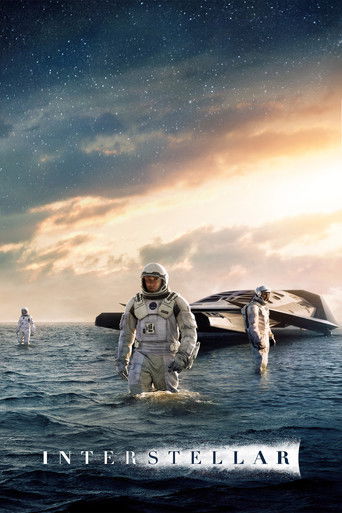
Interstellar
2014
Spider-Man: Into the Spider-Verse
2018
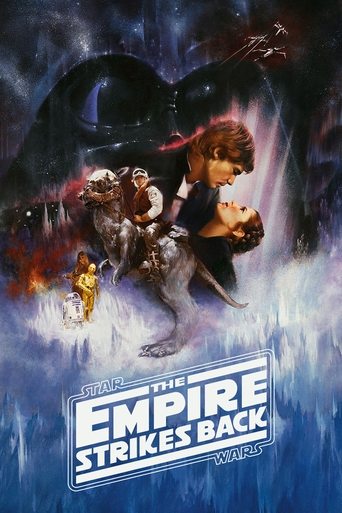
The Empire Strikes Back
1980

Inception
2010
Spider-Man: Across the Spider-Verse
2023
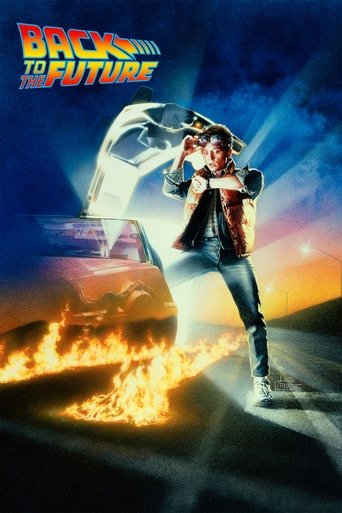
Back to the Future
1985
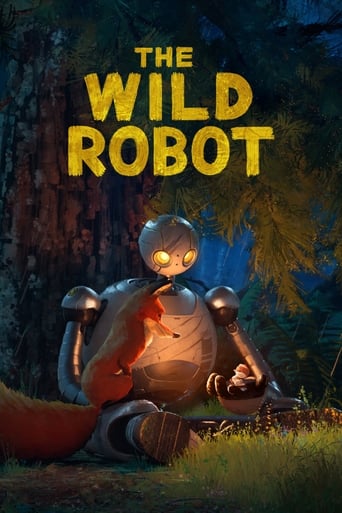
The Wild Robot
2024
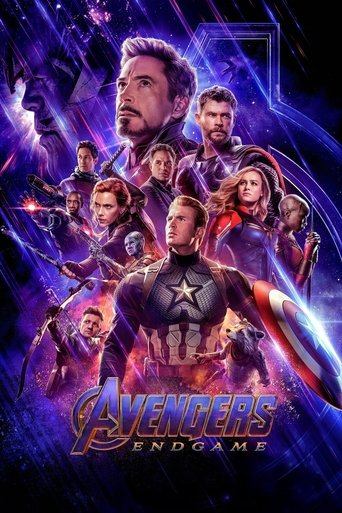
Avengers: Endgame
2019
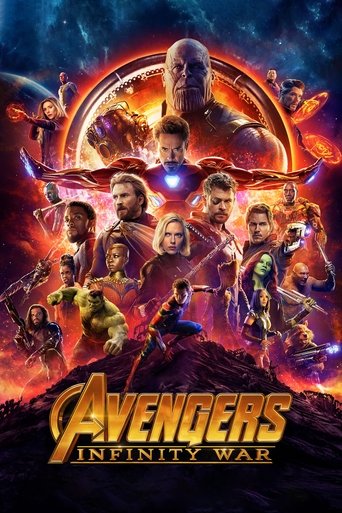
Avengers: Infinity War
2018
Track These on Matinee
Log every movie you watch, rate them, and share with friends.


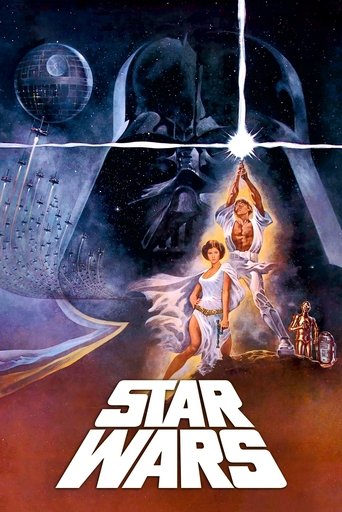
Star Wars
1977
Hoppers
2026
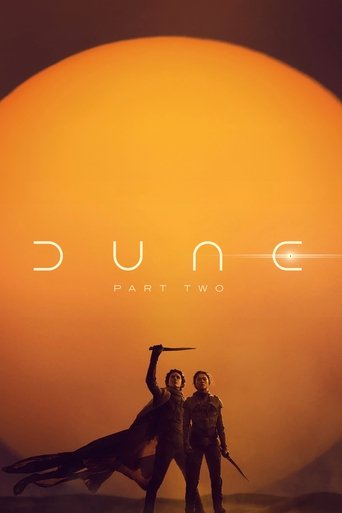
Dune: Part Two
2024
The Avengers
2012
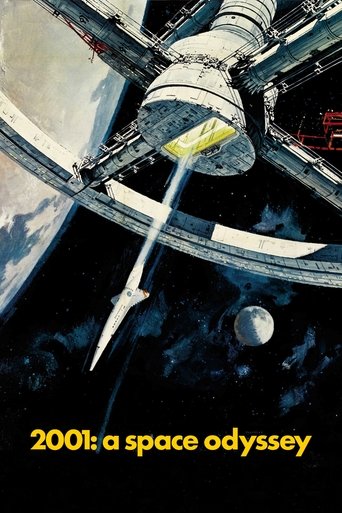
2001: A Space Odyssey
1968

Jurassic Park
1993
The Iron Giant
1999

Spider-Man: No Way Home
2021
Guardians of the Galaxy Vol. 3
2023
Return of the Jedi
1983
How to Find Your Next Watch
1. Smart Search
Type naturally like "sci-fi movies under 2 hours" and get instant results. Matinee understands what you mean.
2. Watchlist Optimizer
Add titles to your watchlist and Matinee ranks them by taste match, rating, and momentum — so the best pick is always at the top.
3. Friend Recommendations
See what your friends are watching and loving. Real recommendations from people you trust beat any algorithm.
Frequently Asked Questions
Top space movies include 2001: A Space Odyssey, Interstellar, The Martian, Gravity, Contact, Ad Astra, Apollo 13, and Alien. They range from hard sci-fi to survival drama to cosmic horror.
The Martian is praised for scientific accuracy. Gravity captures the terrifying physics of space. Interstellar consulted physicist Kip Thorne for its black hole sequences.
Not at all. Space films span genres — from horror (Alien), to quiet drama (First Man), to philosophical sci-fi (2001), to survival thriller (The Martian). The setting is the thread.
Add them to Matinee. Log watched films, rate them, and build a space movie watchlist. Your profile tracks your journey through the genre.
The Martian and Apollo 13 are most consistently cited for scientific accuracy — both were developed with NASA consultation and prioritize plausible physics. Gravity's orbital mechanics were largely accurate despite some dramatic license. Interstellar is more speculative but was developed with physicist Kip Thorne's input on the black hole visuals. The documentary-style Apollo 13 probably edges out the others for strict realism.
Family-appropriate space films: Star Wars (the original trilogy especially), Guardians of the Galaxy, WALL-E, The Martian (PG-13 for language but otherwise accessible to older kids), and Interstellar (complex but not inappropriate for teenagers). Avoid Gravity (intense and isolating) and any hard science fiction with slow pacing for younger viewers.
Films that reward large-screen viewing: Gravity (designed for maximum visual immersion), Interstellar (IMAX-sized visuals), Dune (cinematography built for scale), and 2001: A Space Odyssey (visual sequences that benefit from size and attention). These films use scale and visual design as primary storytelling tools in ways that are diminished on smaller screens.
How Matinee Helps with Best Space Movies and Space Exploration Films
Use Matinee's Smart Search to specify what kind of space film you want: "realistic space movie with actual science," "space film that isn't action-focused," or "best space movies from the last decade" all return usefully filtered results. The genre's wide tonal range means being specific about what you want matters more than in most categories.
Start Tracking on Matinee
Log movies you watch. Get smart recommendations. Share with friends.